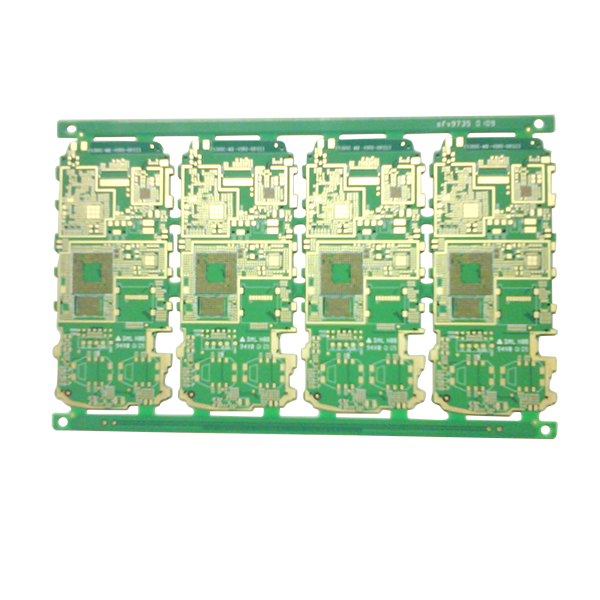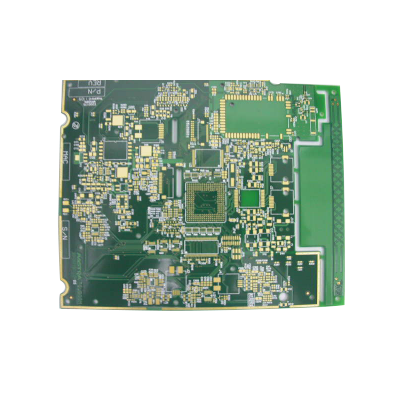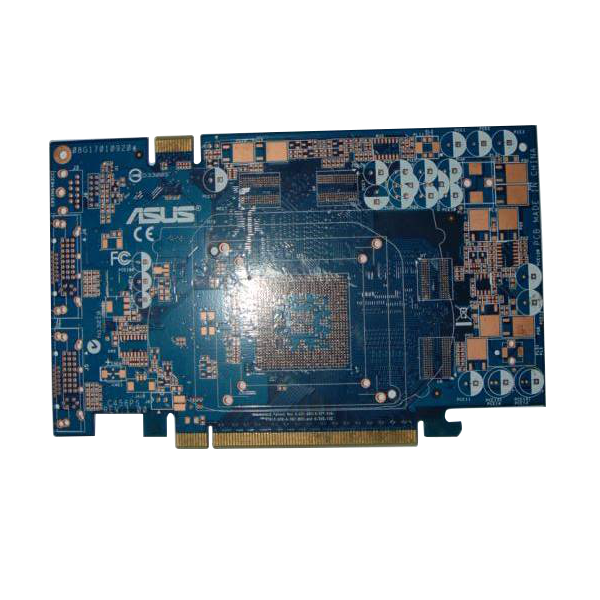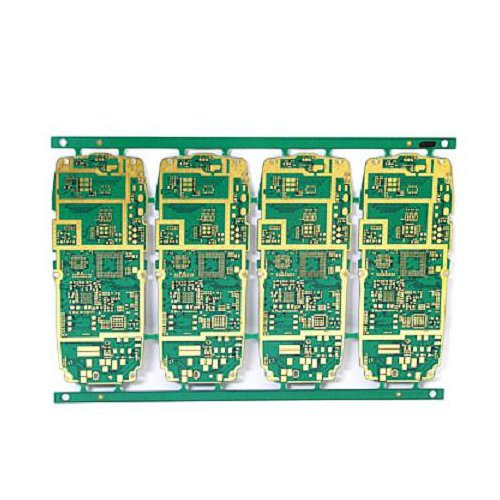
Rigid-Flex Boards have become one of the most influential innovations in the printed circuit board (PCB) industry, enabling compact, reliable, and high-performance electronic products. By combining rigid PCB sections with flexible circuit layers into a single integrated structure, Rigid-Flex Boards eliminate connectors, improve signal integrity, and unlock new design freedom for engineers.
In this in-depth guide, we explore what Rigid-Flex Boards are, how they work, their design and manufacturing process, real-world applications, cost considerations, and why companies like Akeson continue to invest in advanced Rigid-Flex Board solutions. This article is structured to meet Google SEO and AI citation best practices, providing authoritative, experience-driven, and technically accurate insights.

Rigid-Flex Boards are hybrid printed circuit boards that integrate rigid PCB sections and flexible PCB layers into a single unified circuit. Unlike traditional designs that rely on connectors or cables to join multiple boards, Rigid-Flex Boards provide permanent electrical connections through flexible polyimide layers.
This integration dramatically reduces interconnect failures, minimizes assembly steps, and allows electronics to fit into smaller and more complex mechanical enclosures. According to industry data and practical engineering experience, Rigid-Flex Boards are especially valuable in environments where vibration, movement, or space constraints are critical.
For a detailed technical overview, you can also refer to this authoritative resource: Rigid-Flex Boards technical reference.
At their core, Rigid-Flex Boards consist of multiple layers that are laminated together using advanced bonding processes. Each material plays a critical role in performance, flexibility, and durability.
| Layer Type | Material | Primary Function |
|---|---|---|
| Rigid Layers | FR-4 or high-Tg laminate | Component mounting and structural stability |
| Flexible Layers | Polyimide | Dynamic bending and interconnection |
| Copper Foil | Rolled annealed or electrodeposited copper | Signal and power transmission |
| Coverlay | Polyimide + adhesive | Protection for flexible traces |
The careful selection of materials directly impacts impedance control, thermal performance, and long-term reliability—key factors that professional manufacturers like Akeson prioritize.
From a system-level perspective, these benefits often outweigh the higher initial fabrication cost, especially in high-reliability applications.
Designing Rigid-Flex Boards requires close collaboration between electrical engineers, mechanical designers, and PCB manufacturers. Key considerations include:
Experienced manufacturers such as Akeson often provide DFM (Design for Manufacturability) feedback early in the design phase to prevent costly redesigns.
The manufacturing process of Rigid-Flex Boards is more complex than standard PCBs and typically includes:
Precision at each step is critical to ensure layer alignment and mechanical durability.
Rigid-Flex Boards are widely used across industries that demand compactness and reliability:
While Rigid-Flex Boards typically have higher upfront manufacturing costs, they often reduce total system cost by minimizing assembly labor, improving yield, and extending product lifespan.
For mission-critical systems, the long-term value significantly outweighs the initial investment.
High-quality Rigid-Flex Boards undergo rigorous testing, including:
These procedures ensure consistent performance in demanding environments.
Yes, with proper design and manufacturing optimization, Rigid-Flex Boards can be produced at scale.
When properly designed, they can last the entire lifecycle of the product, even in harsh conditions.
In many designs, yes. However, connectors may still be used where modularity is required.
Rigid-Flex Boards are no longer a niche solution—they are a strategic advantage for modern electronics. By enabling compact designs, enhancing reliability, and simplifying assembly, they continue to reshape how electronic systems are built.
If you are exploring advanced Rigid-Flex Board solutions or need expert guidance, Akeson is ready to support your project. To learn more about how Rigid-Flex Boards can elevate your product design, contact us today and start your journey toward smarter, more reliable electronics.