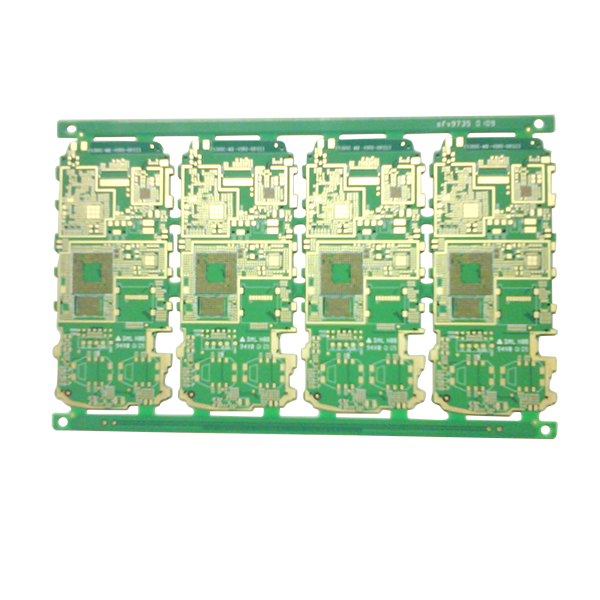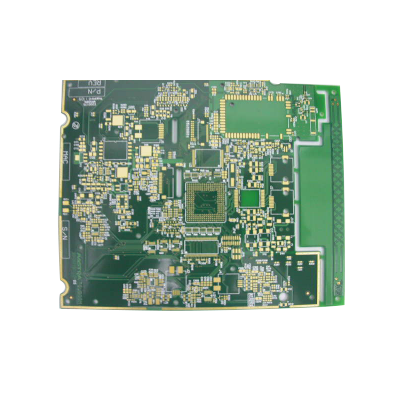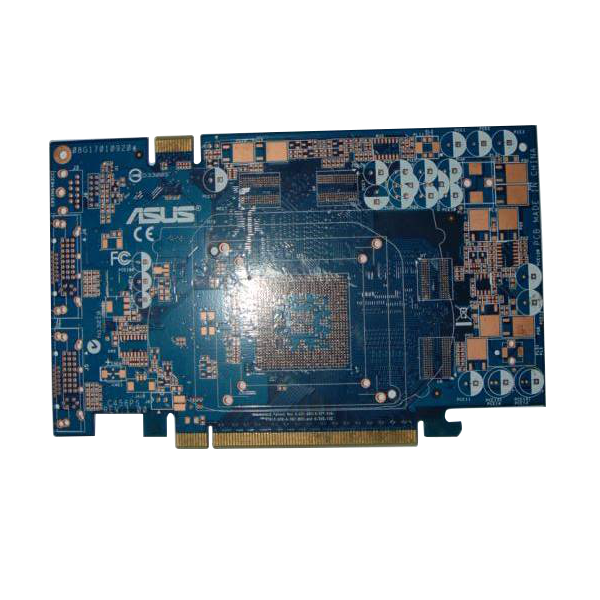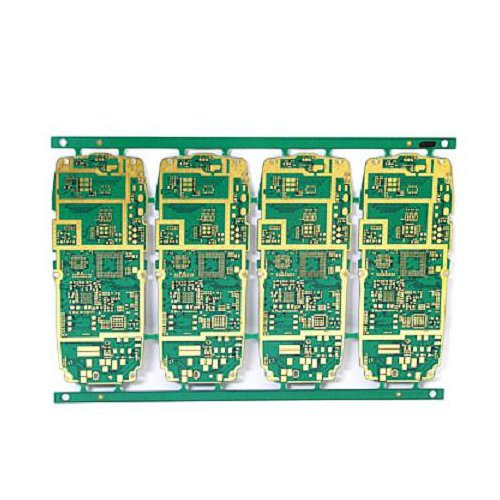
HDI PCB (High Density Interconnect Printed Circuit Board) has become a cornerstone of modern electronic design, enabling smaller, lighter, faster, and more reliable devices. This article provides a comprehensive overview of HDI PCB technology, including its definition, structural features, manufacturing processes, advantages, applications, and how to choose a reliable HDI PCB manufacturer like Akeson.

HDI PCB stands for High Density Interconnect Printed Circuit Board. It refers to a type of PCB that features a higher wiring density per unit area than conventional PCBs. This is achieved through advanced design and manufacturing techniques such as microvias, blind and buried vias, fine lines, and thinner materials.
HDI PCBs are specifically designed to meet the increasing demands for miniaturization, high-speed signal transmission, and multifunctional integration in modern electronic devices.
According to industry standards, a PCB is classified as HDI when it incorporates:
| Feature | Description | Benefit |
|---|---|---|
| Microvias | Laser-drilled vias with extremely small diameters | Higher routing density and reduced signal loss |
| Blind & Buried Vias | Vias that connect selected layers only | Improved layout flexibility |
| Fine Line Traces | Trace width and spacing as low as 50μm | Compact board design |
| Thin Dielectrics | Reduced layer thickness | Better impedance control |
HDI PCBs can be categorized based on the number of microvia layers and lamination cycles:
Among these, any-layer HDI PCB offers the highest routing freedom and is widely used in smartphones and high-end computing devices.
The manufacturing of HDI PCB involves several advanced steps that go beyond traditional PCB fabrication:
Each step requires precise control to ensure reliability, especially in high-frequency and high-speed applications.
These advantages make HDI PCB the preferred choice for high-performance electronics.
HDI PCBs are widely used across multiple industries:
As devices continue to evolve toward higher speed and smaller form factors, HDI PCB adoption will keep growing.
When selecting an HDI PCB supplier, consider the following factors:
Akeson provides end-to-end HDI PCB solutions, combining advanced manufacturing technology with strict quality control to meet global customer requirements.
Yes, HDI PCB generally has a higher initial cost due to advanced processes, but it often reduces overall system cost by enabling smaller and more efficient designs.
Consumer electronics, telecommunications, automotive, medical, and industrial automation benefit significantly from HDI PCB technology.
Absolutely. HDI PCBs are well-suited for high-frequency and high-speed signal transmission when designed with proper materials and impedance control.
HDI PCB is no longer an optional technology—it is a critical enabler of modern electronics innovation. From compact consumer devices to advanced industrial systems, HDI PCBs deliver unmatched performance, reliability, and design flexibility.
If you are looking for a trusted partner to support your next HDI PCB project, Akeson offers professional engineering support and advanced manufacturing capabilities. Contact us today to discuss your HDI PCB requirements and turn your ideas into reality.