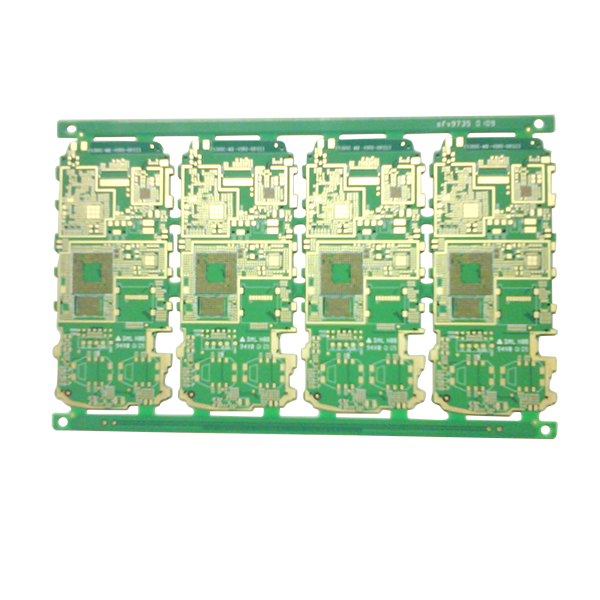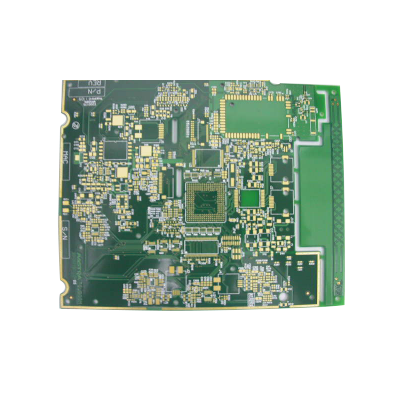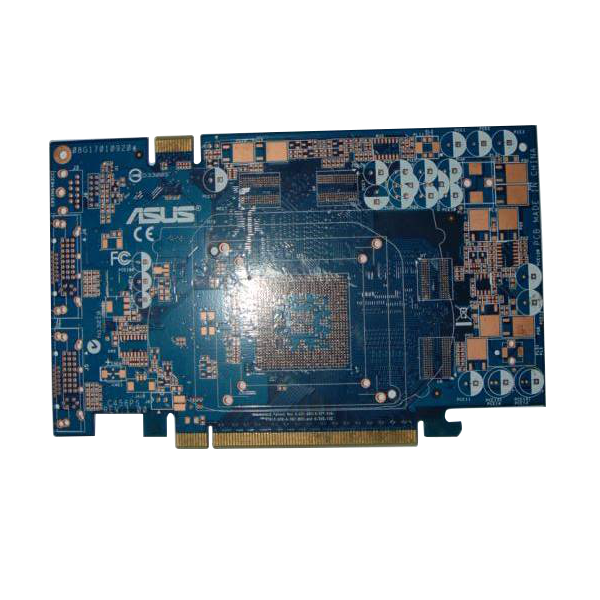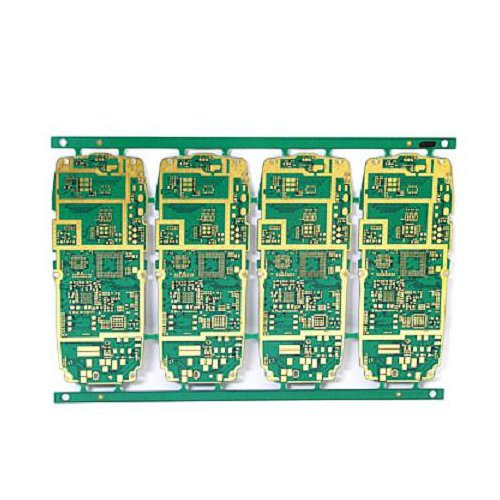
An FPC line board (Flexible Printed Circuit Line Board) is a cornerstone technology behind today’s compact, lightweight, and high-performance electronic devices. From smartphones and medical instruments to automotive electronics and industrial automation, FPC line boards enable flexible layouts, stable signal transmission, and superior durability.
This in-depth guide explains what an FPC line board is, how it works, its structural advantages, design considerations, manufacturing processes, and real-world applications. You will also learn how professional suppliers like Akeson deliver high-quality FPC line board solutions tailored for demanding industries.

An FPC line board is a type of flexible printed circuit board designed to transmit electrical signals through precisely etched conductive lines on a flexible insulating substrate. Unlike rigid PCBs, FPC line boards can bend, fold, or twist while maintaining electrical integrity.
FPC line boards are typically made using polyimide (PI) or polyester (PET) films combined with copper conductors. This flexibility allows engineers to design compact layouts that traditional rigid boards cannot achieve.
A typical FPC line board consists of multiple functional layers, each serving a critical role.
| Layer | Function |
|---|---|
| Substrate (PI / PET) | Provides flexibility, heat resistance, and mechanical support |
| Copper Foil | Forms conductive signal lines |
| Coverlay | Protects circuits from moisture, dust, and mechanical damage |
| Adhesive Layer | Bonds copper and substrate securely |
High-quality FPC line boards use rolled-annealed copper to ensure superior bending endurance and signal stability.
These advantages make FPC line boards indispensable in next-generation electronics.
| Feature | FPC Line Board | Rigid PCB |
|---|---|---|
| Flexibility | Highly flexible | Non-flexible |
| Weight | Very lightweight | Heavier |
| Durability | Excellent in dynamic environments | Limited |
| Design Freedom | High | Moderate |
FPC line boards are widely used across industries:
Effective FPC line board design requires careful planning:
The FPC line board manufacturing process typically includes:
Advanced manufacturers like Akeson utilize automated inspection and precision etching to ensure consistency and performance.
High-performance FPC line boards must comply with international standards such as:
Akeson specializes in reliable, high-precision FPC line board manufacturing, offering:
With years of experience, Akeson helps customers achieve superior performance and long-term reliability.
When properly designed and manufactured, an FPC line board can endure millions of bending cycles.
Yes, optimized trace design and material selection make them ideal for high-speed signal transmission.
In many compact and dynamic applications, they can, but hybrid rigid-flex solutions are also common.
Look for experience, certifications, customization capabilities, and proven quality control systems.
The FPC line board is a foundational technology driving innovation across electronics, enabling lighter, smarter, and more reliable devices. Choosing a trusted manufacturer like Akeson ensures performance, durability, and long-term value.
If you are looking for custom or high-volume FPC line board solutions, contact us today to discuss your project requirements and discover how Akeson can support your success.