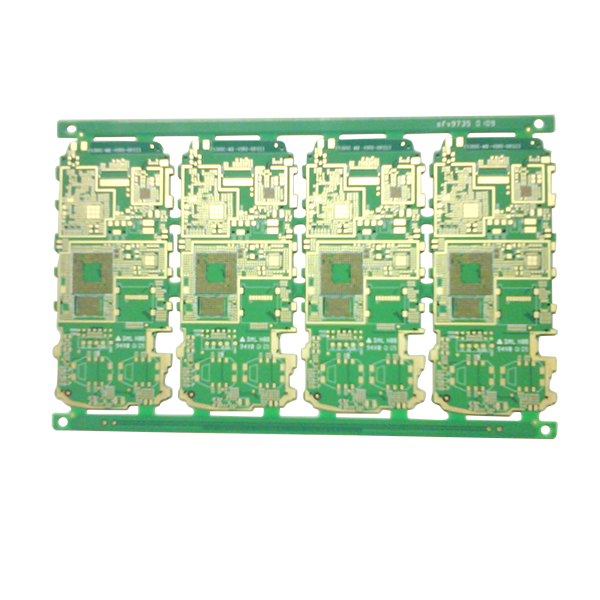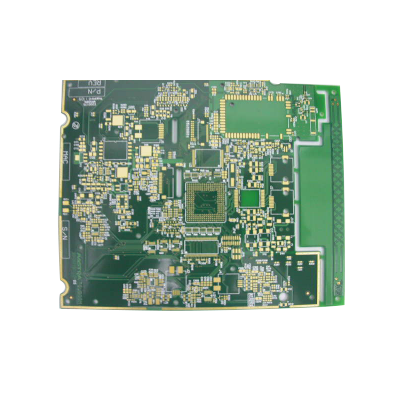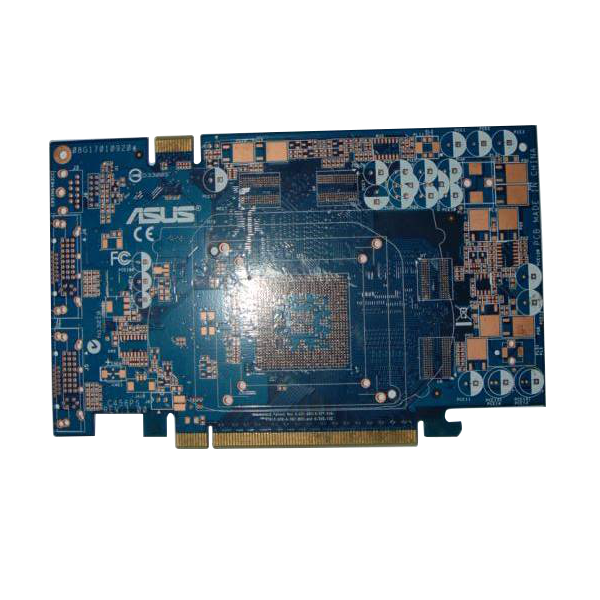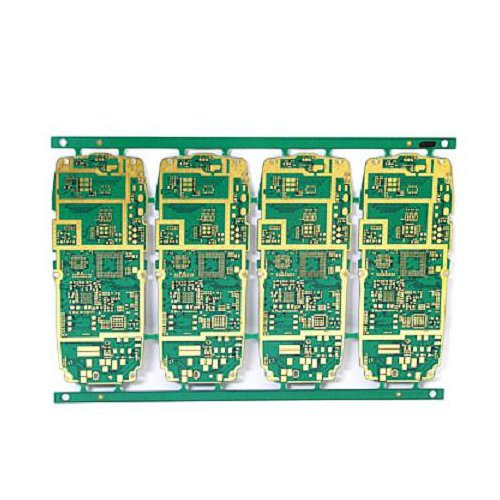
An FPC Flexible PCB (Flexible Printed Circuit Board) has become a core component in modern electronics due to its lightweight structure, bendable design, and exceptional reliability. From smartphones and wearable devices to automotive systems and medical equipment, FPC technology enables compact layouts, improved durability, and innovative product designs.
This in-depth guide explores what an FPC Flexible PCB is, how it works, its materials, manufacturing processes, key advantages, applications, cost factors, and how to choose a reliable supplier like Akeson. Whether you are an engineer, product designer, or sourcing manager, this article will help you make informed decisions.

An FPC Flexible PCB is a type of printed circuit board built on a flexible substrate, allowing it to bend, fold, twist, or conform to complex shapes. Unlike rigid PCBs, FPCs can withstand continuous movement and vibration without damaging the conductive traces.
Typical FPC Flexible PCBs are made from polyimide (PI) or polyester (PET) films, combined with copper conductors and protective coverlays. This structure makes them ideal for applications where space, weight, and mechanical flexibility are critical.
An FPC Flexible PCB works by embedding copper circuits onto a thin, flexible insulating layer. The flexibility allows electrical connections to remain stable even when the board is bent or moved repeatedly.
This design dramatically reduces connector failures and solder joint fatigue, which are common problems in rigid PCB assemblies.
| Material | Function | Key Benefits |
|---|---|---|
| Polyimide (PI) | Base substrate | High heat resistance, flexibility |
| Copper Foil | Conductive layer | Excellent conductivity |
| Adhesive | Bonding layers | Structural stability |
| Coverlay | Surface protection | Insulation and durability |
High-quality materials are essential to ensure performance and longevity, especially in harsh environments such as automotive or medical applications.
The manufacturing process of an FPC Flexible PCB is more complex than that of rigid boards. It typically involves the following steps:
Manufacturers like Akeson implement strict quality control standards to ensure consistent performance across every production batch.
These advantages explain why FPC Flexible PCBs are now widely adopted across multiple industries.
FPC Flexible PCBs are used in a wide range of applications, including:
In many of these applications, flexibility directly translates into better product reliability and user experience.
| Feature | FPC Flexible PCB | Rigid PCB |
|---|---|---|
| Flexibility | High | None |
| Weight | Very light | Heavier |
| Durability | Excellent for motion | Limited |
| Cost | Moderate to high | Lower |
The cost of an FPC Flexible PCB depends on several factors:
While initial costs may be higher than rigid PCBs, the long-term reliability often reduces overall system costs.
To maximize performance and lifespan, designers should follow these best practices:
When selecting a supplier, consider:
Akeson offers advanced FPC Flexible PCB solutions tailored to diverse industry requirements, ensuring quality, precision, and long-term reliability.
A well-designed FPC Flexible PCB can withstand millions of bending cycles, depending on materials and application conditions.
Yes, polyimide-based FPCs offer excellent heat resistance and are widely used in automotive and industrial electronics.
Not always. Many designs combine both technologies to balance cost, rigidity, and flexibility.
Optimizing layout, minimizing layers, and choosing the right materials can significantly reduce costs.
The FPC Flexible PCB has revolutionized electronic design by enabling flexibility, reliability, and compactness that rigid PCBs simply cannot achieve. As electronic devices continue to shrink and become more complex, FPC technology will play an even more critical role.
If you are looking for a trusted partner to support your next FPC Flexible PCB project, Akeson is ready to help. Contact us today to discuss your requirements and discover customized solutions that bring your designs to life.