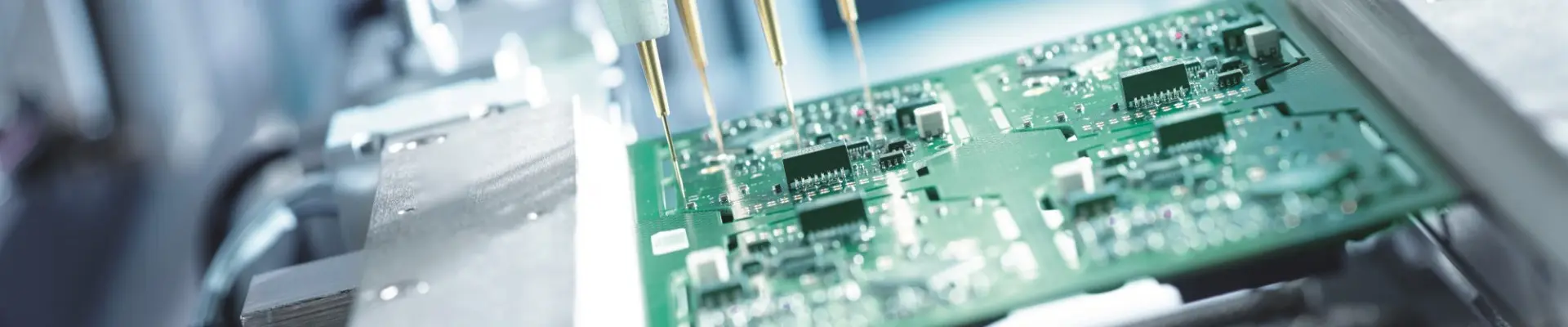
Professional Consumer Electronics PCB and PCBA Manufacturer for Global Buyers
Consumer electronics manufacturers usually face a different PCB challenge from industrial or communication equipment companies. The board needs to be smaller, thinner, and more integrated, while maintaining stable performance during high-volume production.
A smartphone, wearable device, smart appliance, or portable electronic product may contain multiple functional modules within a limited internal space. The PCB must provide enough routing capacity for processors, memory, sensors, wireless modules, and power management circuits without increasing product thickness.
For this type of application, PCB manufacturing capability is not only measured by layer count. Circuit accuracy, HDI technology, assembly consistency, and production yield directly affect the final product cost and reliability.
Shenzhen Aisen Electronics Co., Ltd. manufactures Consumer Electronics PCB and PCBA solutions including multilayer PCB, HDI PCB, FPC, rigid-flex PCB, and SMT assembly. With 1-40 layer PCB production capability, high-precision drilling equipment, laser via processing, automated inspection systems, and PCBA production lines, Aisen provides manufacturing support from prototype samples to mass production.
PCB Solutions for Different Consumer Electronic Products
Consumer electronic products have different PCB structures depending on their size, function, and production requirements.
📱
Mobile Device & Smartphone PCB
Mobile devices require some of the highest PCB integration levels in consumer electronics. Limited internal space means more circuits must be placed into a smaller area.
HDI PCB technology is commonly used because laser microvias allow designers to increase routing density without increasing PCB size.
Aisen HDI capability:
- HDI one-step and two-step structures
- Fine line width and spacing
- Laser microvia processing
- Immersion gold surface treatment
- High-density component assembly
🏠
Smart Home Appliance PCB
Smart home products require PCBs that combine control functions, communication modules, sensors, and power circuits.
Compared with smartphone PCB, smart appliance PCB usually focuses more on production stability and cost control because these products are manufactured in large quantities.
Application examples:
- Smart kitchen appliances
- Intelligent control panels
- Home automation devices
- IoT terminals
⌚
Wearable Device & Portable Electronics PCB
Wearable electronics often have strict space limitations and unique mechanical structures. Traditional rigid PCB designs may not be suitable when components need to be arranged around curved or moving areas.
Rigid-flex PCB combines the advantages of rigid boards and flexible circuits, allowing three-dimensional installation.
Aisen provides FPC & rigid-flex for:
- Smart wearable devices
- Portable medical electronics
- Compact electronic equipment
Consumer Electronics PCB Manufacturing Compared With Other Applications
Although PCB technology is used across many industries, different applications prioritize different manufacturing capabilities.
| Application | Main PCB Requirement | Typical Manufacturing Technology |
|---|---|---|
| Consumer Electronics | Compact size, high yield, cost control | HDI, FPC, Rigid-flex, SMT |
| Communication Equipment | High-speed signal transmission | High-frequency PCB, impedance control |
| Semiconductor Equipment | Precision control, long operation | HDI, multilayer, rigid-flex |
| Automotive Electronics | Safety, environmental reliability | High-reliability multilayer PCB |
Consumer electronics PCB production requires manufacturers to achieve stable quality at a large production scale.
HDI and Miniaturization Technology for Consumer Electronics
As consumer products become smaller, conventional through-hole PCB structures often cannot meet routing requirements. HDI technology increases wiring density by replacing some traditional vias with laser-drilled microvias.
Aisen HDI Manufacturing Capability
- HDI Type 1-step / 2-step HDI
- Laser Drill Size 75μm-150μm
- Min Line/Spacing 0.05mm/0.05mm
- Layer Capability Up to 40 layers
- Surface Treatment Immersion gold, OSP, nickel palladium gold
For compact consumer products, HDI technology helps achieve higher integration without increasing product size. Aisen has manufacturing experience with 6-layer HDI PCB applications requiring 2/2mil line width and spacing.
PCBA Assembly for Consumer Electronic Products
For consumer electronics, PCB manufacturing and assembly quality must be controlled together. Aisen provides integrated PCBA services including SMT, DIP, solder paste printing, AOI inspection, X-ray inspection, and electrical testing.
PCBA Capability
- Min Component Size 01005 chip
- Min Pitch 0.38mm special
- BGA Diameter 0.22mm special
- SMT Placement Accuracy ≤0.10mm
- Max Assembly Size 810×490mm
Supported Assembly Services
- SMT and DIP assembly
- Solder paste printing
- AOI inspection
- X-ray inspection
- Electrical testing
These capabilities support consumer products requiring compact layouts and high assembly density.
Manufacturing Capability for Consumer Electronics PCB
Aisen Electronics operates a complete PCB manufacturing system covering prototype development, engineering verification, and volume production.
PCB Specifications
- Layer Count 1-40 layers
- Types Rigid, HDI, FPC, Rigid-flex
- Max Size 730×630mm
- Thickness 0.3-5.0mm
- Copper Thickness Up to 10oz
- Min Line/Spacing 0.05mm/0.05mm
Production Equipment
- Han's CNC drilling machines
- Han's laser drilling machines
- LDI exposure equipment
- Cosmic etching lines
- Automated PTH copper plating
- AOI inspection systems
- SMT production equipment
Quality Objectives
- Product yield ≥99.8%
- On-time delivery ≥99%
- Complaint rate ≤0.5%
ISO9001, ISO14001, IATF16949 certified
Consumer Electronics PCB Manufacturing Experience
Aisen Electronics has developed different PCB structures for consumer electronic applications.
6-layer HDI PCB
Mobile electronic products
- HDI one-step structure
- 2/2mil line width and spacing
- Immersion gold + OSP surface
4-layer Rigid-flex PCB
Portable electronic devices
- Flexible and rigid combination
- 3/3mil line width and spacing
- Space-saving design
8-layer Multilayer PCB
Intelligent electronic equipment
- High-density routing
- Stable multilayer structure
- Mass production capability
Why Consumer Electronics Manufacturers Choose Aisen Electronics
Consumer Electronics PCB and PCBA suppliers need to understand not only circuit fabrication but also the requirements of high-volume manufacturing.
Shenzhen Aisen Electronics Co., Ltd. combines PCB production, HDI technology, rigid-flex manufacturing, and PCBA assembly within one supply chain system.
With 20 years of PCB manufacturing experience, a 50,000-square-meter production facility, and complete production and inspection equipment, Aisen helps electronic product manufacturers improve production efficiency, maintain consistent quality, and shorten the transition from prototype to mass production.
FAQ
What type of PCB is commonly used in consumer electronics?
Consumer electronics mainly use HDI PCB, multilayer PCB, FPC, and rigid-flex PCB because these structures support compact product designs.
Can Aisen manufacture HDI PCB for small electronic devices?
Yes. Aisen Electronics manufactures HDI PCB with laser microvia technology and fine-line circuit capability.
Does Aisen provide both PCB manufacturing and PCBA assembly?
Yes. Aisen provides integrated PCB fabrication and PCBA assembly services.
What is the advantage of rigid-flex PCB in consumer products?
Rigid-flex PCB reduces wiring space and connector requirements, making it suitable for compact electronic designs.
How does Aisen control quality during mass production?
Aisen uses automated inspection equipment, electrical testing, and process control systems to maintain stable production quality.
- View as
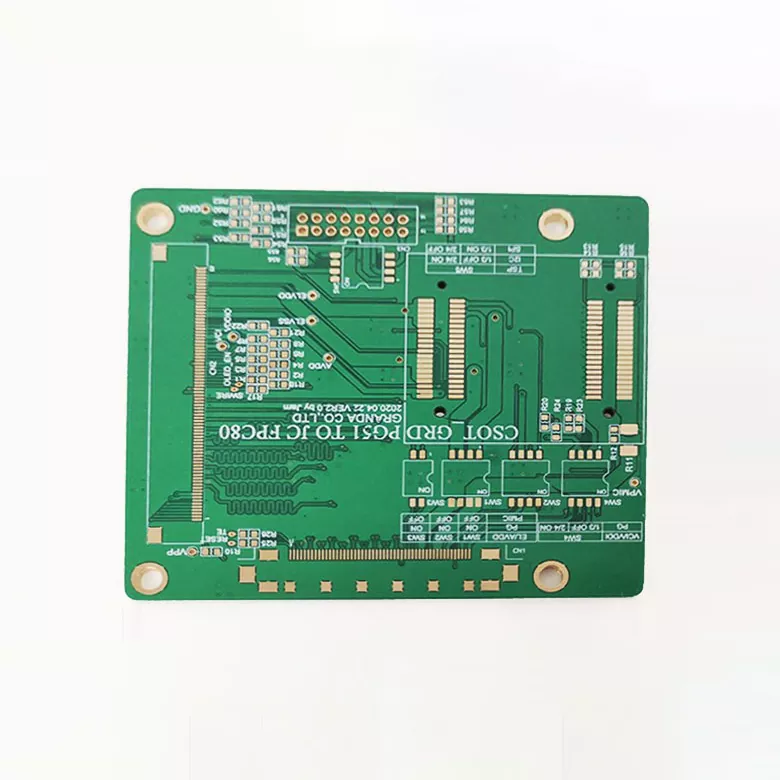
DVR PCB Board
DVR PCB Board is a key component for digital video recording systems, supporting stable video processing, data transmission, and continuous operation. Aisen provides customized DVR PCB solutions with advanced manufacturing technology, precise circuit design, and strict quality control to ensure reliable performance, clear image processing, and long-term stability for security monitoring applications.
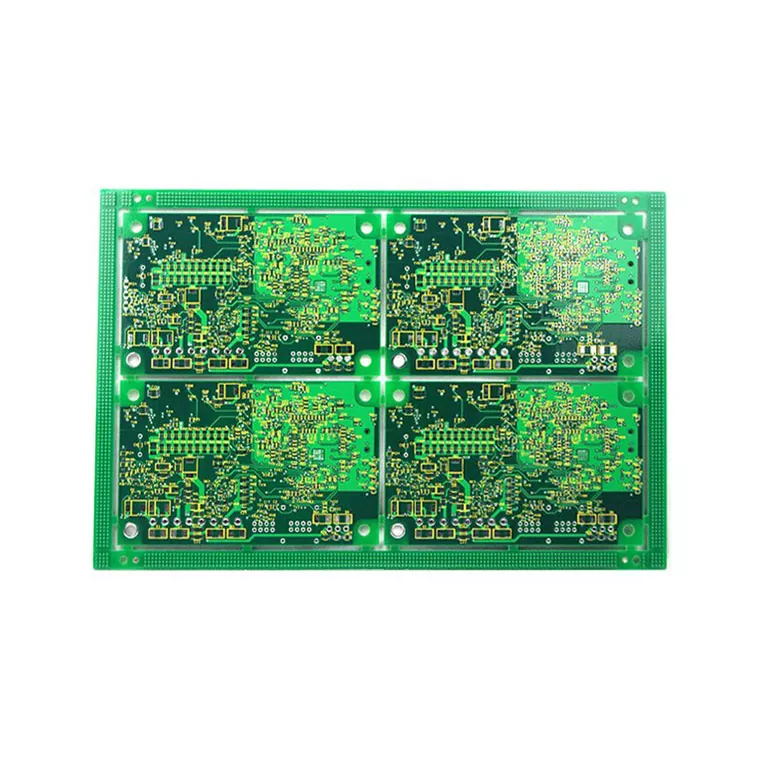
TV Box PCB
TV Box PCB is designed for streaming devices, smart TV boxes, and media players, supporting high-frequency signals, multiple interfaces, and continuous operation. Aisen Electronics provides customized PCB solutions with reliable manufacturing processes and strict quality control to ensure stable performance, efficient signal transmission, and consistent quality for modern entertainment electronics.
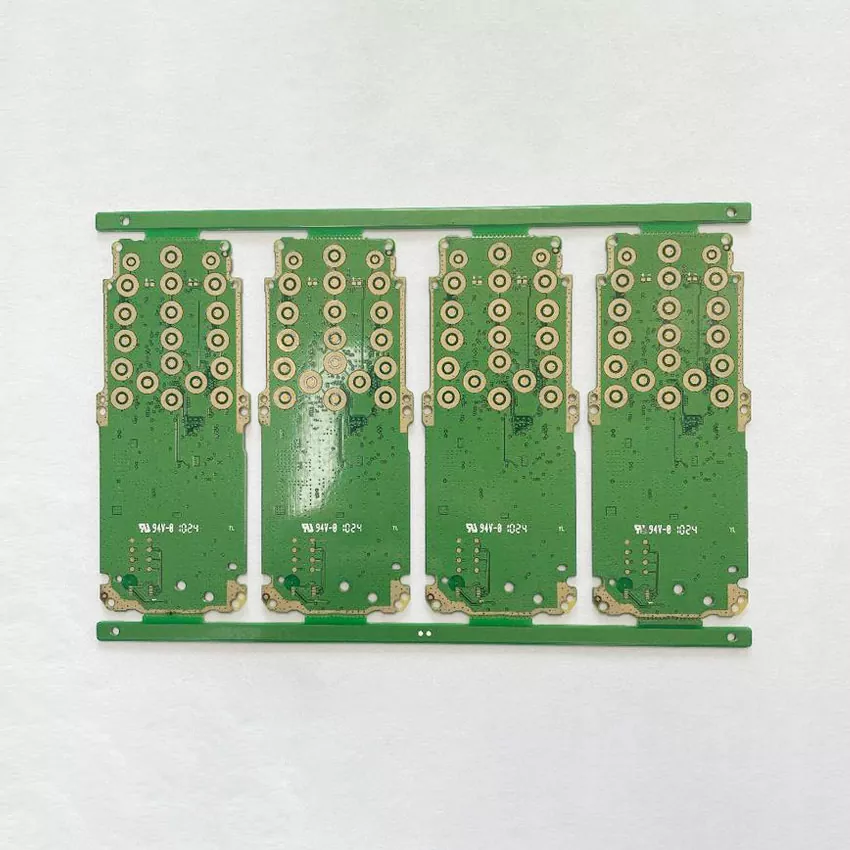
Mobile Phone PCB
Aisen Electronics Co., Ltd. provides mobile phone PCB manufacturing solutions designed for compact, high-performance electronic devices. With HDI technology, fine-line fabrication, multi-layer PCB capabilities, and strict quality control, we manufacture circuit boards that support smartphones, wearable devices, and portable communication products requiring high integration, stable signal transmission, and reliable long-term operation.
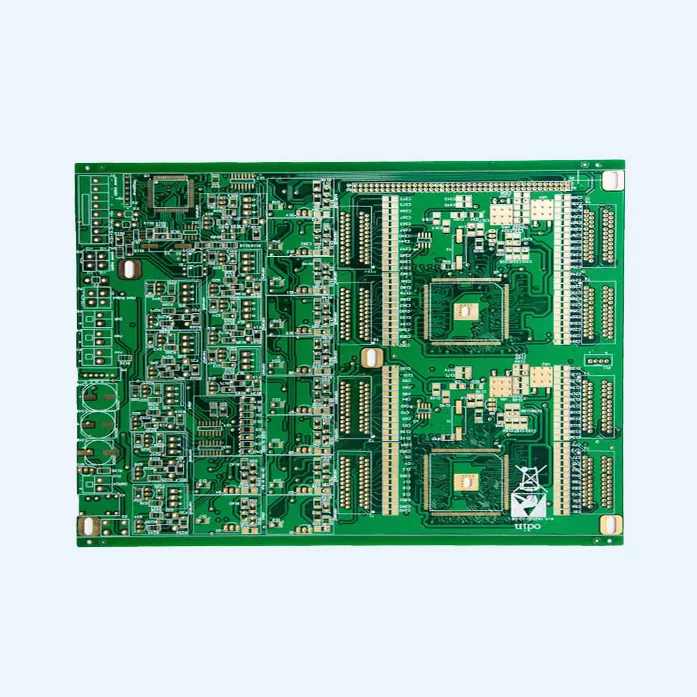
Rice Cooker PCB
Looking for reliable rice cooker PCB fabricating for your kitchen machine ventures? Aisen Electronics Co., Ltd., we specialize in creating high-quality printed circuit sheets outlined particularly for rice cookers and domestic machines. Our item arrangements combine progressed innovation with demonstrated unwavering quality to guarantee your items perform faultlessly in requesting kitchen environments.
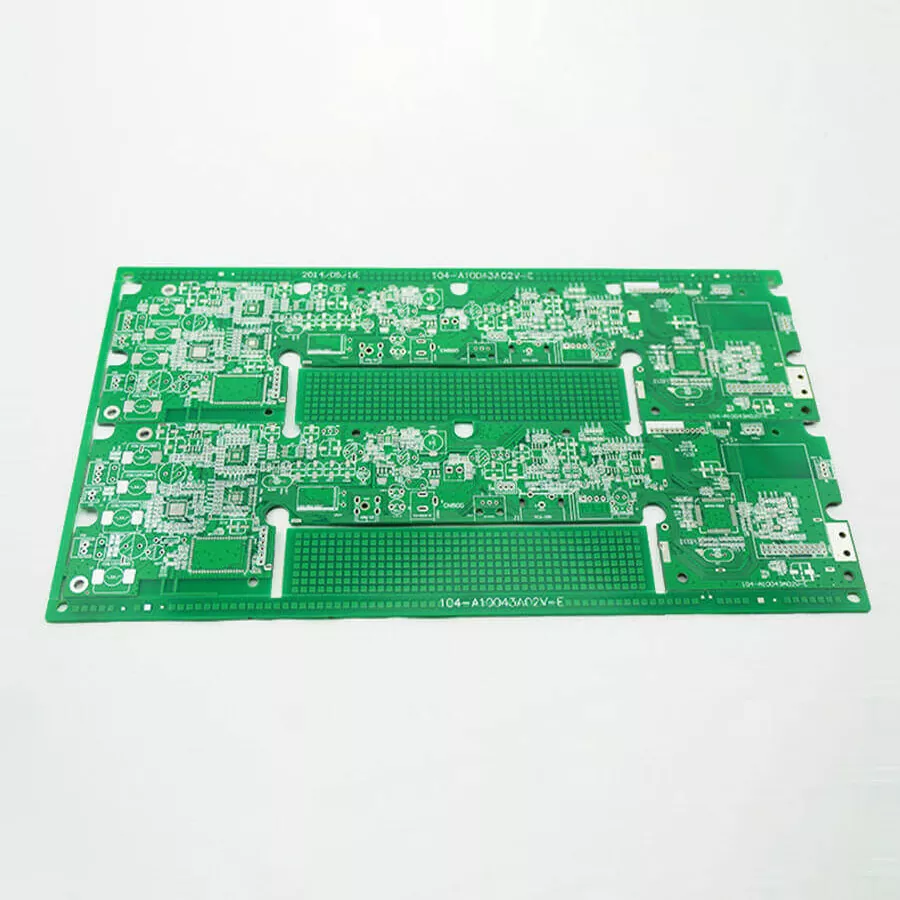
Vacuum Robots PCB
Are you developing the next generation of intelligent cleaning robots? Your vacuum robots pcb requires extraordinary exactness and unwavering quality to guarantee consistent operation. At Shenzhen Aisen Electronics Co., Ltd., we specialize in fabricating high-quality printed circuit sheets particularly planned for automated vacuum cleaners. Our progressed fabricating capabilities convey the execution and toughness your savvy cleaning gadgets require. With over a long time of involvement in hardware fabricating, we get it the one of a kind prerequisites of robotized cleaning technology.
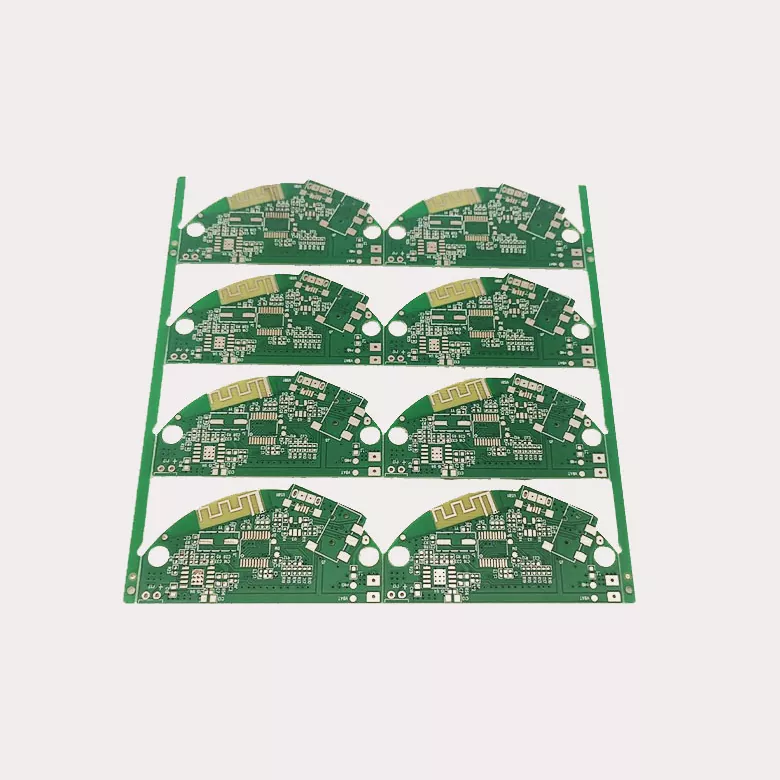
Coffee Machine PCB
Aisen Electronics Co., Ltd. manufactures coffee machine PCBs designed for heating control, water pump management, temperature sensing, and smart beverage systems. Our PCB solutions support automatic espresso machines, capsule coffee makers, and commercial coffee equipment with reliable performance under heat, steam, and continuous operating conditions. We provide PCB fabrication and PCBA services from prototype development to mass production.
Akeson is one of the advanced Consumer Electronics PCB and PCBA manufacturers and suppliers in China. Welcome to customized Consumer Electronics PCB and PCBA from our factory.