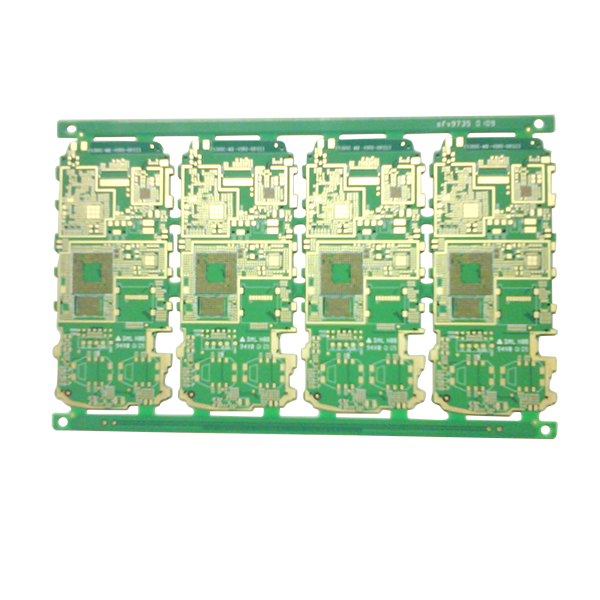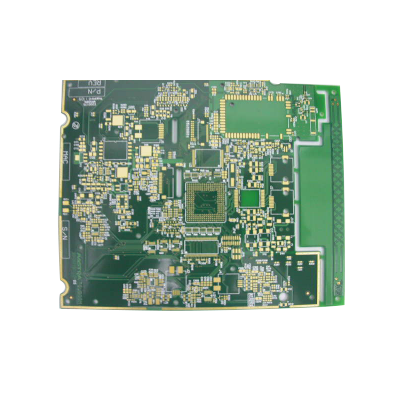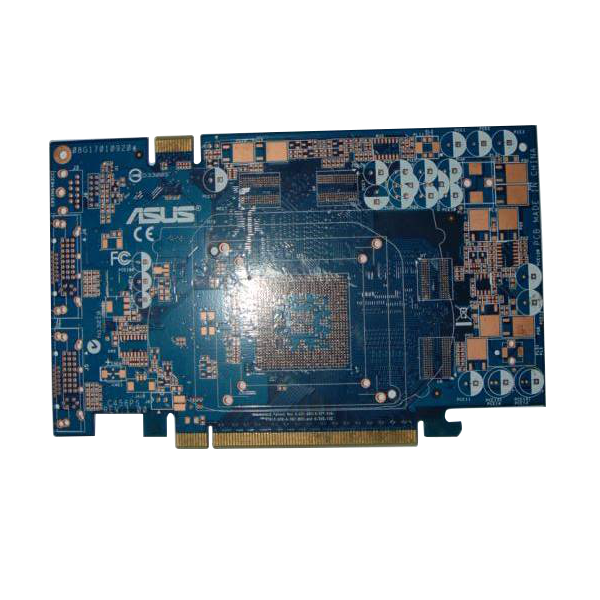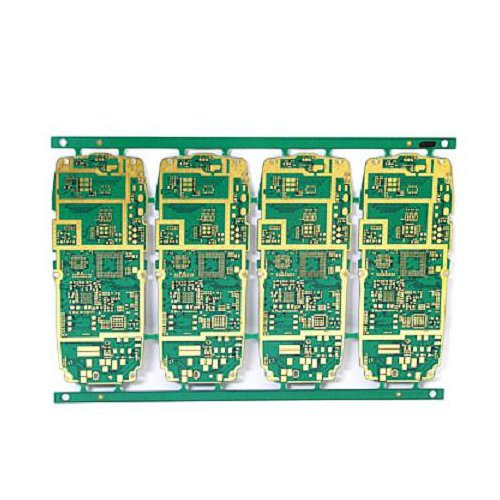
Rigid-Flex Boards are redefining how electronic systems are designed, assembled, and deployed across industries such as aerospace, medical devices, automotive electronics, and consumer technology. By combining rigid PCB sections with flexible circuit areas into a single integrated structure, rigid-flex boards offer unmatched reliability, space optimization, and electrical performance.
In this comprehensive guide, we explore what rigid-flex boards are, how they work, their structure, materials, manufacturing process, design advantages, application scenarios, and why they have become a strategic choice for advanced electronic products.

Rigid-Flex Boards are hybrid printed circuit boards that integrate rigid PCB sections and flexible circuits into a single, unified structure. Unlike traditional designs that rely on connectors, cables, or soldered joints to link rigid and flex parts, rigid-flex boards eliminate these interconnects by embedding flexible layers directly between rigid sections.
This design allows the board to bend, fold, or twist during installation while maintaining structural integrity and electrical continuity. As a result, rigid-flex boards significantly improve system reliability, reduce assembly complexity, and enable compact, three-dimensional product designs.
A rigid-flex board typically consists of multiple layers, carefully laminated to balance mechanical flexibility and rigidity. These layers include:
This integrated structure enables rigid-flex boards to withstand dynamic mechanical stress while maintaining stable electrical performance.
| Material | Function | Key Benefit |
|---|---|---|
| FR-4 | Rigid sections | Mechanical strength and cost efficiency |
| Polyimide | Flexible layers | High thermal stability and flexibility |
| Copper Foil | Conductive paths | Excellent conductivity and fatigue resistance |
| Coverlay | Flex protection | Enhanced bend life and insulation |
The careful selection of materials directly affects the lifespan, bend performance, and electrical reliability of rigid-flex boards.
The manufacturing of rigid-flex boards is more complex than standard PCBs and requires advanced process control. Typical steps include:
Experienced manufacturers like Akeson apply strict quality standards to ensure dimensional accuracy, layer adhesion, and electrical stability throughout the production cycle.
These advantages make rigid-flex boards a preferred solution for high-performance electronic systems.
| Feature | Rigid-Flex Boards | Rigid + Cable Assembly |
|---|---|---|
| Reliability | High | Moderate |
| Assembly Time | Low | High |
| Space Efficiency | Excellent | Limited |
| Initial Cost | Higher | Lower |
Rigid-Flex Boards are widely used in:
Their ability to function reliably in harsh environments makes them indispensable in mission-critical applications.
When designing rigid-flex boards, engineers should focus on:
Collaborating early with a qualified supplier such as Akeson helps avoid costly redesigns and production delays.
Rigid-flex boards demand precise engineering, strict material control, and advanced manufacturing capabilities. An experienced manufacturer provides:
Rigid-Flex Boards solutions from Akeson are engineered to meet demanding performance and reliability requirements.
While the initial cost is higher, rigid-flex boards often reduce total system cost by eliminating connectors, cables, and assembly labor.
With proper design and materials, rigid-flex boards can withstand millions of bend cycles and operate reliably for years.
Yes, their short interconnect paths and controlled impedance make them suitable for high-speed and RF applications.
Aerospace, medical, automotive, and advanced consumer electronics industries heavily depend on rigid-flex technology.
If you are evaluating advanced PCB solutions for your next project, rigid-flex boards may be the key to achieving higher reliability, better performance, and compact design integration. To explore customized rigid-flex board solutions and professional engineering support, feel free to contact us at Akeson and discover how our expertise can support your innovation journey.