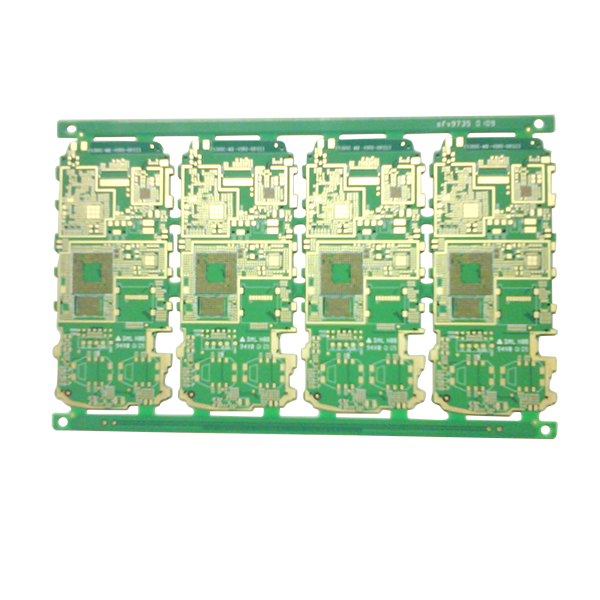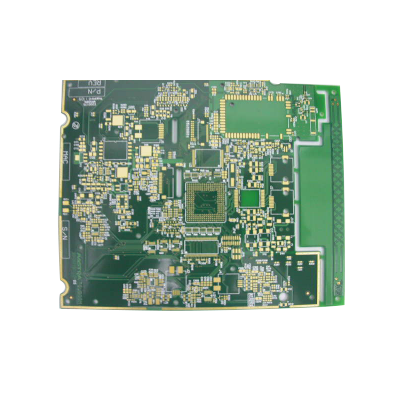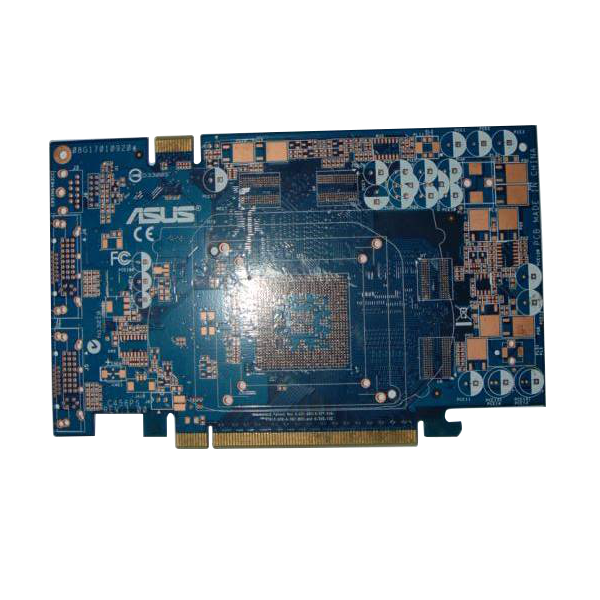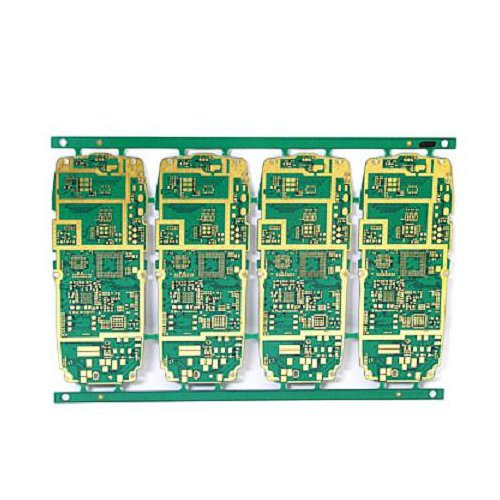
Rigid PCB (Rigid Printed Circuit Board) is the backbone of modern electronics, providing mechanical strength, stable electrical performance, and long-term durability. From consumer electronics to industrial automation, rigid circuit boards remain the most widely used PCB type worldwide. In this comprehensive guide, we explore rigid PCB materials, manufacturing processes, multilayer design, surface finishes, quality control standards, cost factors, and OEM customization solutions. This article also explains why choosing a professional manufacturer like Akeson ensures high reliability and competitive pricing for global projects.

A Rigid PCB (Rigid Printed Circuit Board) is a non-flexible circuit board manufactured using solid substrate materials such as FR-4 fiberglass. Unlike flexible PCBs, rigid boards cannot bend or twist after fabrication. Their mechanical rigidity ensures stable component mounting and reliable electrical interconnections.
Rigid PCBs are the most common PCB type used in electronic devices due to their:
In modern electronics manufacturing, rigid circuit boards form the structural and electrical foundation of products ranging from smartphones to industrial control systems.
A typical rigid PCB consists of the following layers:
| Layer | Material | Function |
|---|---|---|
| Substrate | FR-4 (Glass Epoxy) | Provides mechanical strength |
| Copper Layer | Electrolytic Copper | Conducts electrical signals |
| Solder Mask | Epoxy-based Ink | Prevents short circuits |
| Silkscreen | Legend Ink | Component labeling |
| Surface Finish | ENIG / HASL / OSP | Protects exposed copper |
FR-4 remains the most widely used substrate due to its balance of cost and performance.
| Feature | Rigid PCB | Flexible PCB |
|---|---|---|
| Flexibility | No | Yes |
| Cost | Lower | Higher |
| Durability | High mechanical strength | Resistant to vibration |
| Application | Industrial, consumer electronics | Wearables, compact devices |
Rigid PCBs are preferred when structural stability and cost efficiency are primary considerations.
Advanced manufacturers like Akeson use automated optical inspection (AOI) and flying probe testing to ensure high precision and quality consistency.
Surface finishes protect copper pads from oxidation and improve solderability.
ENIG is widely used in high-end electronics due to its superior planarity.
Signal integrity and EMI control are critical for multilayer rigid PCB design.
Rigid PCBs remain essential for high-reliability applications requiring stable mechanical support.
Reliable rigid PCB manufacturers comply with international standards:
Testing methods include:
Consider the following factors:
A professional manufacturer like Akeson provides OEM/ODM services, rapid prototyping, multilayer fabrication, and full PCB assembly solutions.
| Factor | Impact on Cost |
|---|---|
| Layer Count | Higher layers increase cost |
| Material Type | High-frequency materials cost more |
| Surface Finish | ENIG more expensive than HASL |
| Board Thickness | Thicker boards cost more |
| Volume | Higher volume lowers unit price |
FR-4 is the most widely used substrate due to its affordability and reliability.
Yes, when designed with impedance control and high-frequency materials like Rogers.
Common thickness ranges from 0.8mm to 1.6mm, but custom thickness is available.
Prototype orders may take 3–7 days, while mass production requires 2–3 weeks.
Multilayer boards allow higher circuit density and improved signal integrity.
Rigid PCB technology continues to power modern electronics with unmatched structural stability and electrical reliability. From single-sided boards to complex multilayer designs, rigid PCBs remain the industry standard for durability and performance.
If you are looking for a trusted partner in rigid PCB manufacturing, Akeson provides customized solutions, strict quality control, competitive pricing, and global delivery support.
Ready to start your next electronics project? Contact us today to receive a professional quotation and technical consultation!