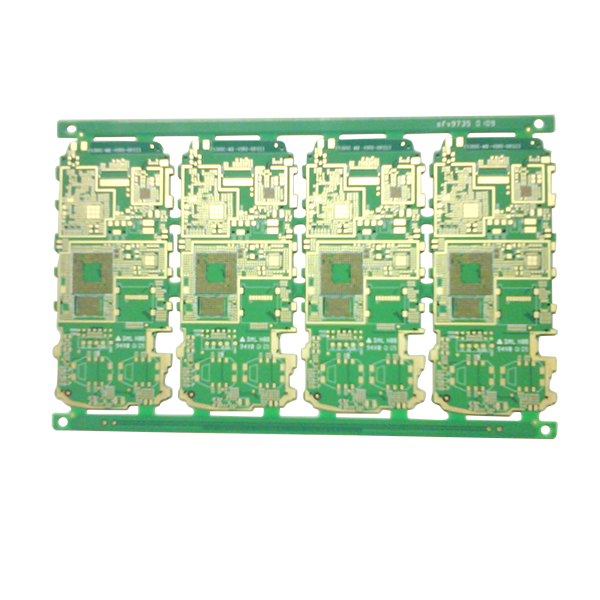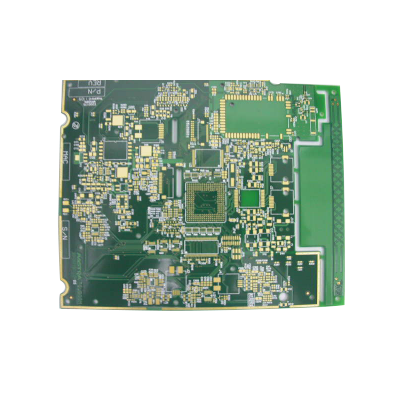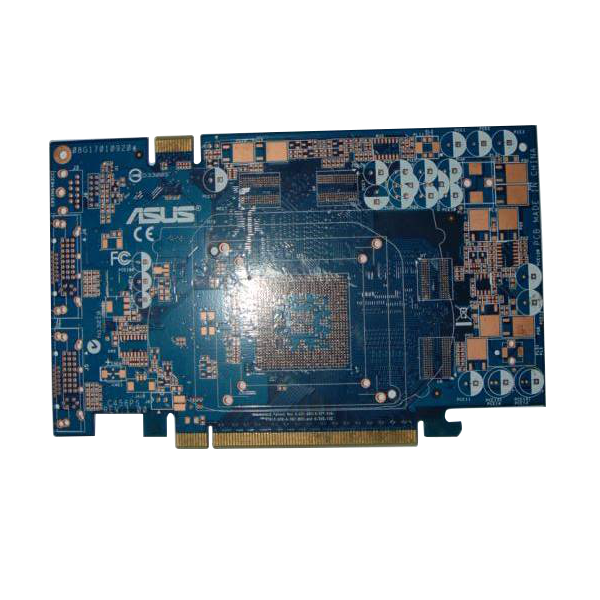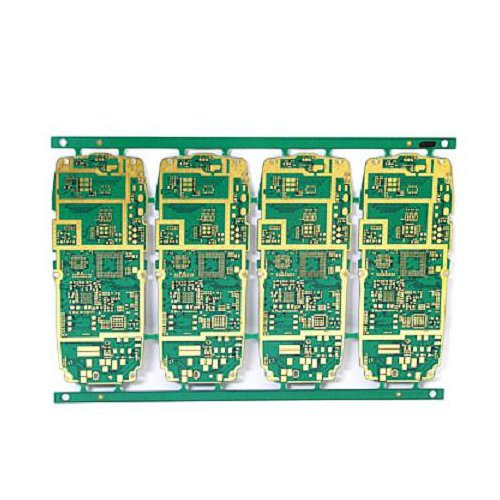
Rigid-Flex Boards are transforming the modern electronics industry by combining the durability of rigid PCBs with the adaptability of flexible circuits. This in-depth guide explores how Rigid-Flex Boards work, their structural composition, benefits, applications, manufacturing process, cost considerations, and why they are increasingly becoming the preferred solution for aerospace, medical, industrial, and consumer electronics.
If you are searching for high-density, lightweight, and reliable PCB solutions, this comprehensive article will explain why partnering with an experienced manufacturer like Akeson ensures precision, performance, and long-term reliability.

Rigid-Flex Boards are hybrid printed circuit boards that combine both rigid and flexible substrates into a single integrated structure. Unlike traditional PCBs that are either fully rigid or fully flexible, Rigid-Flex PCBs offer mechanical stability where needed and flexibility where movement or space constraints exist.
Typically, these boards consist of multiple layers of flexible polyimide circuits attached to rigid FR-4 sections. The flexible layers allow bending and folding, while rigid sections provide structural support for components.
The structure of Rigid-Flex Boards varies depending on design complexity. Most designs include:
| Layer Type | Material | Function |
|---|---|---|
| Rigid Layer | FR-4 | Component mounting and structural stability |
| Flexible Layer | Polyimide | Bending and dynamic movement |
| Adhesive Layer | Epoxy or Acrylic | Layer bonding |
| Copper Layer | Rolled or Electro-deposited Copper | Signal transmission |
Multilayer Rigid-Flex Boards can include 4, 6, 8, or more layers depending on signal routing and power requirements.
By eliminating connectors and cables between separate boards, Rigid-Flex PCBs significantly reduce overall device size.
Fewer connectors mean fewer potential failure points, improving long-term performance.
Ideal for aerospace and portable electronics where weight is critical.
Shorter signal paths reduce noise and interference.
Flexible sections absorb mechanical stress better than rigid connectors.
Rigid-Flex Boards are widely used in industries requiring high reliability and compact designs.
Manufacturing Rigid-Flex PCBs requires precise engineering and advanced fabrication techniques.
Each step must meet strict quality standards to ensure reliability.
Proper design reduces mechanical fatigue and increases lifecycle durability.
| Feature | Rigid PCB | Flexible PCB | Rigid-Flex PCB |
|---|---|---|---|
| Flexibility | No | Yes | Yes (Partial) |
| Durability | High | Moderate | Very High |
| Space Efficiency | Moderate | High | Very High |
| Cost | Low | Medium | Higher Initial, Lower Long-Term |
Although initial manufacturing costs may be higher, Rigid-Flex Boards reduce:
Over the product lifecycle, they often provide better ROI compared to traditional PCB assemblies.
Akeson specializes in advanced Rigid-Flex PCB manufacturing, offering:
With extensive experience in aerospace, medical, and industrial electronics, Akeson ensures each Rigid-Flex Board meets international performance and reliability standards.
When properly designed, Rigid-Flex PCBs can last over 10 years, depending on environmental conditions.
Yes. Polyimide materials offer excellent thermal resistance.
Yes, but special design considerations are required for continuous flexing.
Advanced designs can exceed 12 layers depending on complexity.
It requires experienced engineers and precision manufacturing processes.
Rigid-Flex Boards represent a breakthrough in PCB technology by delivering compact design, improved reliability, and long-term cost efficiency. As devices continue to shrink while performance demands increase, the need for advanced hybrid PCB solutions will only grow.
If you are planning your next high-density electronics project and require a reliable manufacturing partner, Akeson offers customized, high-performance Rigid-Flex Boards tailored to your application needs. Contact us today to discuss your project requirements and discover how we can support your innovation journey.