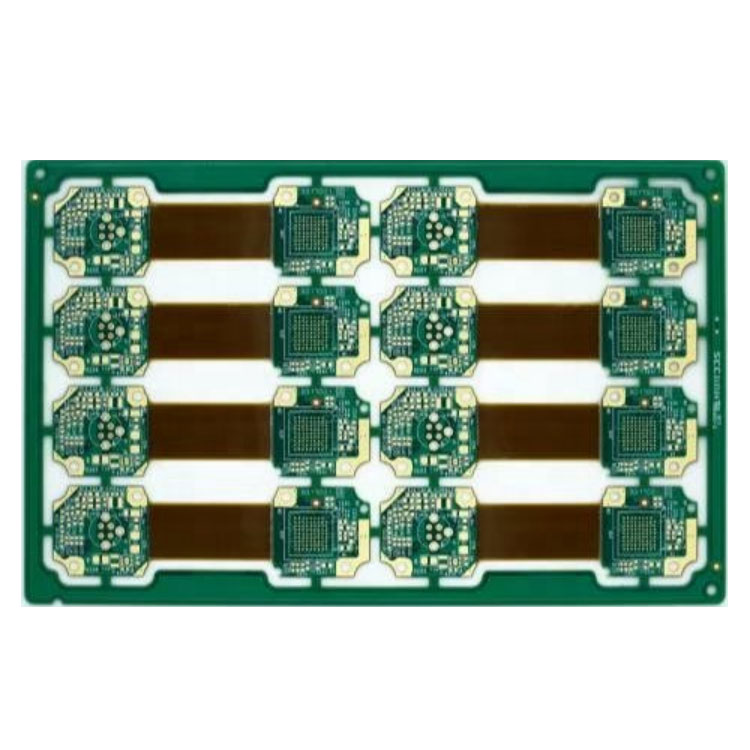
Rigid-flex boards combine the strengths of rigid printed circuit boards (PCBs) and flexible circuits into a single, integrated solution. As electronic devices become smaller, lighter, and more complex, rigid-flex boards have emerged as a critical technology enabling high reliability, compact design, and superior electrical performance.
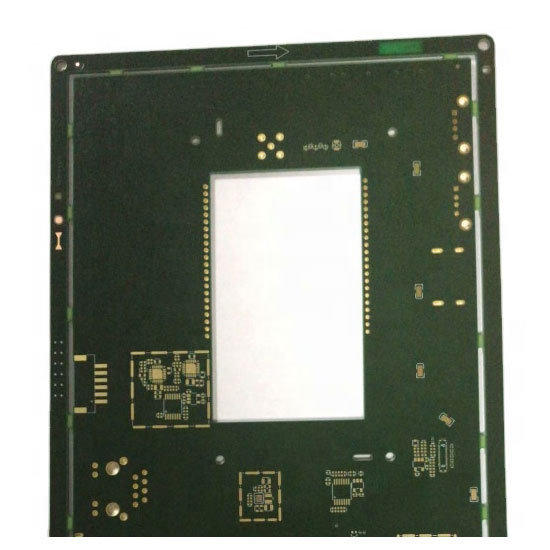
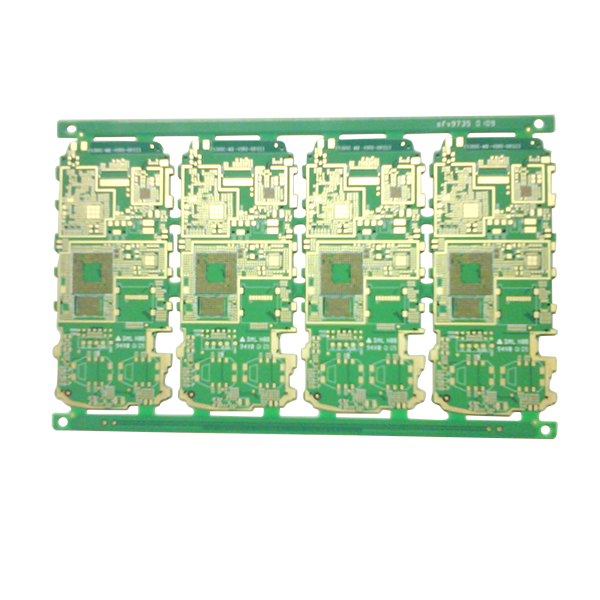
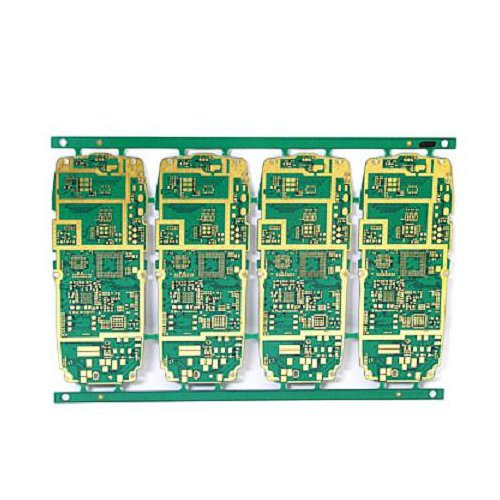
HDI PCB (High Density Interconnect Printed Circuit Board) has become a cornerstone technology in modern electronics, enabling smaller, lighter, and more powerful devices. This in-depth guide explains what HDI PCB is, how it works, its structure types, manufacturing process, advantages over traditional PCBs, and why industries such as consumer electronics, automotive, medical, and industrial automation increasingly rely on it. The article also explores design considerations, cost factors, and how to choose a reliable HDI PCB manufacturer like Akeson.
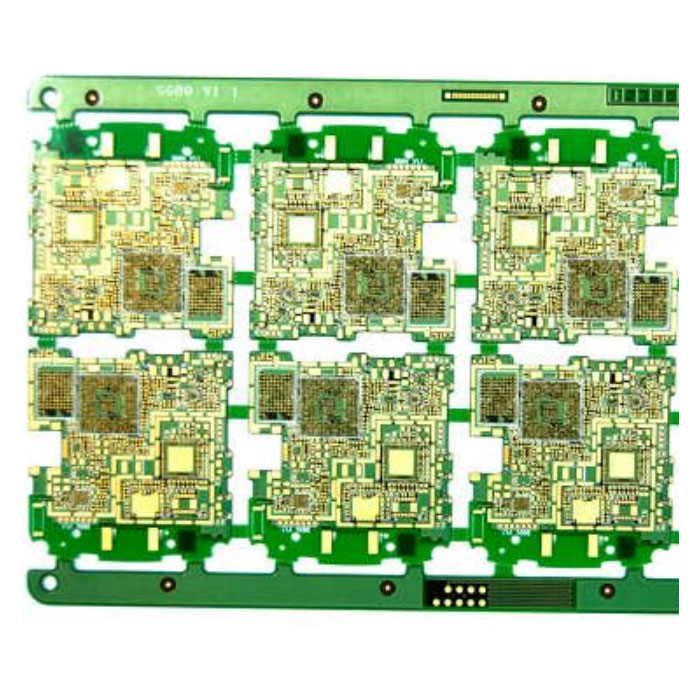
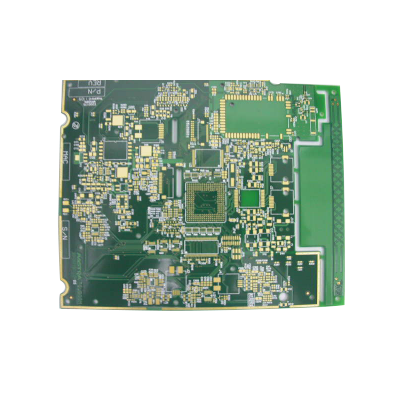
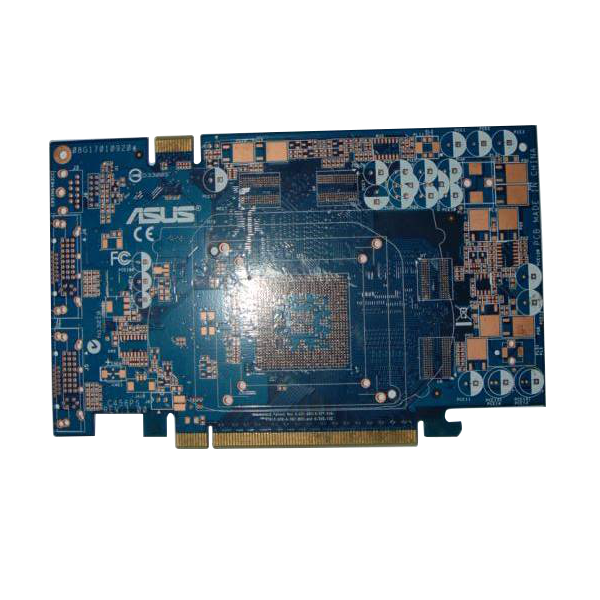
A Multilayer PCB is the backbone of modern electronic systems, enabling compact design, high-speed signal transmission, and superior electrical performance. As electronic devices become smaller yet more powerful, multilayer printed circuit boards have become an indispensable solution across industries such as telecommunications, automotive electronics, medical devices, and industrial automation.
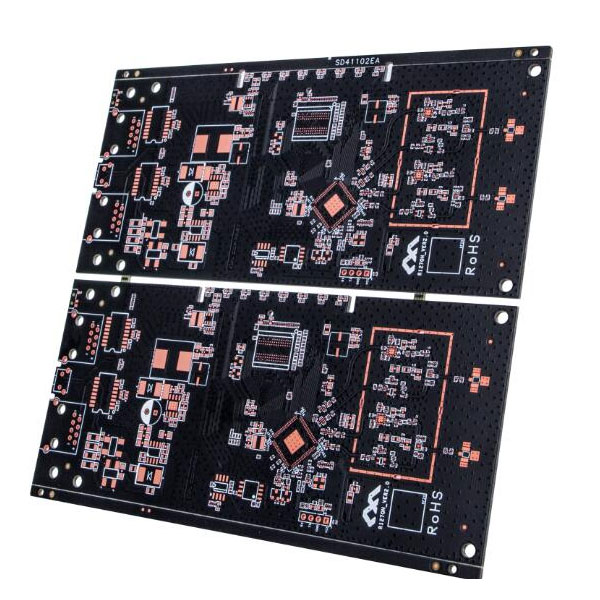
In the world of electronics, printed circuit boards (PCBs) are fundamental to connecting and supporting electronic components. 1-2 layer PCBs are widely used in various industries due to their cost-effectiveness and reliability. This article explores the benefits, applications, and considerations of using 1-2 layer PCBs in electronics manufacturing, focusing on how Akeson excels in providing high-quality solutions.
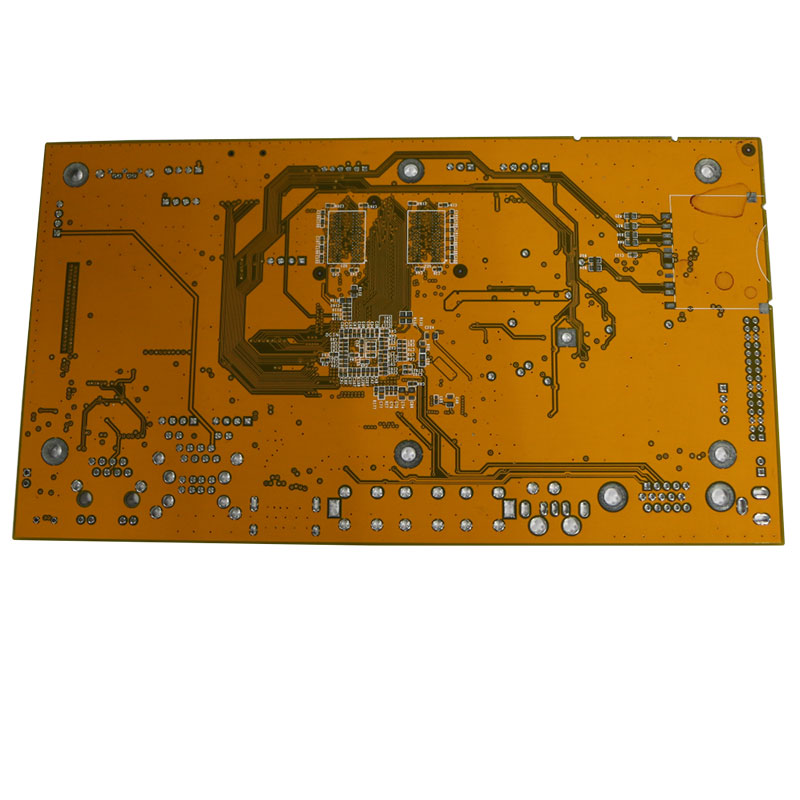
An FPC line board (Flexible Printed Circuit Line Board) is a cornerstone technology behind today’s compact, lightweight, and high-performance electronic devices. From smartphones and medical instruments to automotive electronics and industrial automation, FPC line boards enable flexible layouts, stable signal transmission, and superior durability.
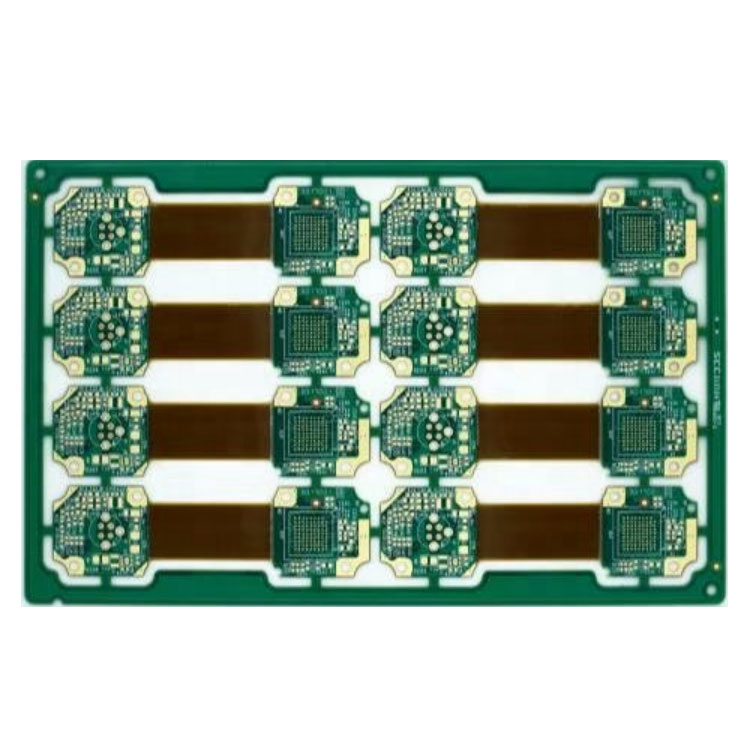
Rigid-Flex Boards represent one of the most advanced PCB technologies in today’s electronics industry. By combining rigid and flexible circuit layers into a single integrated structure, rigid-flex PCBs deliver superior reliability, space efficiency, and electrical performance. This article explores what rigid-flex boards are, how they work, their benefits, applications, design considerations, and why manufacturers like Akeson are increasingly adopting this technology for high-end electronic solutions.